Digital Marketing

EEAT Marketing

How can you achieve EEAT as a beginner?

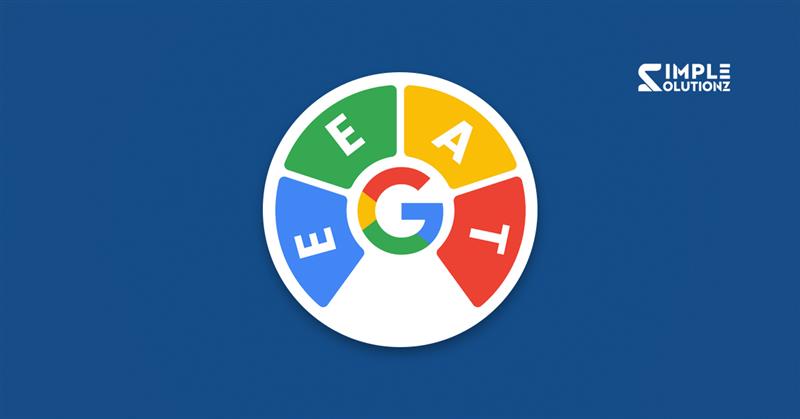
Building trust with your audience and search engines is non-negotiable. No matter if you’re a blogger, content creator, or business owner, achieving EEAT—is necessary for ranking higher on search engines and resonating with your audience. But as a beginner, where do you start?   This blog post might whet your appetite for knowledge about E-E-A-T and how these essential elements can elevate your SEO game. Get ready to dive into the core ingredients of Experience, Expertise, Authoritativeness, and Trustworthiness that make your online presence irresistible!  What is EEAT and Why Does It Matter?  EEAT stands for Expertise, Authoritativeness, and Trustworthiness—factors used by Google to assess content quality. These principles are critical for:  If you’re just starting, focusing on EEAT ensures you build a strong foundation for sustainable growth in the digital space.  Key Components of EEAT  Element  Description  Expertise  The depth of knowledge and skills you display in your content.  Authoritativeness  Your reputation as a reliable source in your niche or industry.  Trustworthiness  The integrity and reliability of your content, website, and business practices.  Start With a Clear Niche  A clear niche helps you focus your content and demonstrate expertise. Trying to cover too many topics dilutes your credibility.  Identify Your Strengths and Interests: What topics do you know well or feel passionate about?  Research Audience Needs: Use tools like Google Trends and SEMRush to identify trending topics and search volume.  Focus on Specific Problems: Solving niche-specific problems adds value and builds trust.  For example, if you’re passionate about fitness, don’t just write about general health. Narrow it down to a specific area, like postpartum fitness for moms or high-intensity interval training for beginners.  Create High-Quality, Engaging Content  Creating content isn’t enough—it needs to stand out and provide genuine value. Here’s how:  How to Make Your Content High-Quality  Example  Instead of writing a generic blog on “How to Lose Weight,” create content like “5 Common Myths About Weight Loss and What Works.”  Establish Your Credibility  As a beginner, you may not yet be considered an expert, but there are ways to start building credibility:  Strategies to Build Authority  Build Trust with a Professional Website  A trustworthy website is essential for building EEAT. Users judge your credibility based on your online presence.  What Makes a Website Trustworthy?  Encourage Social Proof and Engagement  Social proof shows that others trust and value your content. It’s an essential factor for building EEAT.  Ways to Build Social Proof  Stay Consistent with Content Updates  Google and its users favor updated, accurate content. Regular updates signal your commitment to quality.  Steps to Keep Content Updated  Leverage Structured Data and SEO Best Practices  Technical SEO plays a significant role in building EEAT. Structured data improves how search engines understand your content.  Actionable SEO Tips  Collaborate and Network  Networking with established players in your niche can enhance your credibility.  Ways to Collaborate  Share your expertise on popular platforms.  Partner with reputable creators for blogs, videos, or courses.  Feature on others’ websites to reach new audiences.  For instance, a beginner in financial blogging could co-author content with a certified financial planner.  Monitor Your Reputation  Managing your online reputation is crucial for maintaining EEAT.  How to Monitor Effectively  Track mentions of your name or brand online.  Respond politely and proactively to negative reviews or comments.  Ask satisfied customers or readers to leave reviews on trusted platforms.  Stay Ethical and Transparent  Trust takes time to build but seconds to lose. Be ethical in all your practices.  Key Practices  Mention sponsored content or affiliations.  Only promise what you can deliver.  Plagiarism is a quick way to damage your credibility.  EEAT Checklist for Beginners  Step  Action  1. Define Your Niche  Choose a specific topic to establish expertise.  2. Content Quality  Provide value with well-researched, engaging content.  3. Build Authority  Guest posts, showcase credentials, and cite reliable sources.  4. Secure Your Website  Use HTTPS, professional design, and clear contact information.  5. Gain Social Proof  Show testimonials and engage actively with your audience.  6. Update Content  Regularly refresh your posts to keep them relevant.  7. Use SEO Strategies  Optimize search engines using keywords and structured data.  8. Network  Collaborate with experts and attend industry events.  9. Monitor Reputation  Track feedback and maintain professionalism in responses.  10. Stay Transparent  Be honest about affiliations and avoid unethical practices.  Start Building Your EEAT Foundation Now   Building EEAT from the ground up as a beginner requires dedication and patience, but the results are well worth the effort. By consistently producing valuable content, establishing trust with your audience, and positioning yourself as a reliable source, you’ll set the stage for long-term success. Get help from Simplesolutionz for Begin implementing these strategies today and watch your reputation and authority grow as your online presence gains credibility! 

How can you achieve EEAT as a beginner? Read More »

Content Marketing

Why Video Marketing is the Future of Social Media 

What catches your attention first scrolling through your social media feed? A long block of text or a dynamic, eye-catching video? The answer is clear. Video content has taken over social media, reshaping how we consume information, interact with brands, and make purchasing decisions.  With video projected to make up 82% of all internet traffic by 2025, businesses and content creators can no longer afford to ignore its impact. But what makes video the future of social media? How does it drive engagement, boost brand awareness, and influence consumer behavior? Let’s discuss it.  The Explosive Growth of Video Content  The Numbers Don’t Lie  Video consumption has skyrocketed in recent years. According to a report by Cisco, video content will make up 82% of all internet traffic by 2025. Platforms like YouTube see over 2 billion logged-in monthly users, while TikTok has surpassed 1 billion active users globally. Instagram and Facebook have also integrated video-first features, with Reels and Facebook Watch becoming primary engagement drivers.  Video Consumption Across Different Demographics  The appeal of video content is universal. Millennials and Gen Z are the most active consumers, but even older demographics are embracing video, thanks to easy accessibility and shareability. Studies show that people are 1.5 times more likely to watch a video than read text-based content, making video the preferred medium for information consumption.  Mobile-First Video Consumption  With smartphone usage at an all-time high, mobile-friendly video content is becoming more critical than ever. Over 75% of all video plays happen on mobile devices, making vertical videos, mobile-optimized visuals, and responsive formatting essential for success.  Why Video Content Outperforms Other Formats  Higher Engagement Rates  Social media algorithms favor video content due to its ability to retain users for longer periods. Videos generate 1200% more shares than text and images combined, making them the most engaging form of content on platforms like Facebook and Twitter.  Emotional Connection & Storytelling  Video allows brands to tell compelling stories, evoke emotions, and build a stronger connection with their audiences. Whether it’s through humor, inspiration, or education, video can create memorable experiences that text-based content often struggles to achieve.  Improved Retention & Comprehension  Studies show that viewers retain 95% of a message when watched in a video, compared to just 10% when reading text. This makes video an excellent tool for conveying complex ideas, product demonstrations, and tutorials effectively.  Video Builds Trust & Credibility  Trust is a significant factor in online decision-making. Video testimonials, behind-the-scenes footage, and explainer videos can significantly boost credibility, increasing customer confidence in a brand or product.  The Role of Video in Social Media Algorithms  Priority in News Feeds  Social media platforms prioritize video content in their algorithms. Facebook, Instagram, and LinkedIn reward creators who post videos with higher visibility and engagement. TikTok, the fastest-growing social media platform, is entirely video-driven.  Increased Watch Time & User Engagement  Platforms like YouTube and TikTok use watch time as a key metric for ranking content. The longer users stay engaged with a video, the more likely the platform is to recommend it to others, increasing reach and visibility.  Autoplay & Suggested Videos  Autoplay features on Facebook, Instagram, and Twitter ensure that video content grabs attention instantly. Suggested video features on YouTube and TikTok keep users engaged longer, increasing the content going viral.  Video Marketing Trends Shaping the Future  Short-Form Video Dominance  Short-form videos (under 60 seconds) have taken over social media. TikTok, Instagram Reels, and YouTube Shorts are leading this trend, capturing audiences with quick, engaging content.  Live Streaming Boom  Live video streaming has gained popularity, with platforms like Facebook Live, Instagram Live, and YouTube Live allowing brands and influencers to interact with audiences in real-time. Live videos generate 6 times more engagement than regular videos.  Interactive & Shoppable Videos  Interactive video content, including polls, quizzes, and shoppable videos, is revolutionizing e-commerce. Platforms like Instagram and TikTok now offer direct shopping experiences through video, streamlining the purchase journey.  AI-Driven Video Content  Artificial intelligence (AI) is playing a significant role in video marketing by personalizing content recommendations, automating video editing, and enhancing production quality.  User-Generated Video Content  Encouraging users to create and share videos about a brand or product enhances authenticity. Brands leveraging user-generated content often see higher engagement and trust.  The Impact of Video Marketing on Business Growth  Boosting Brand Awareness  Brands that use video marketing report a 49% faster revenue growth than those that don’t. Video content increases brand recall and helps businesses stand out in a crowded digital space.  Higher Conversion Rates  According to HubSpot, 64% of consumers are more likely to purchase a product after watching a video. Explainer videos, testimonials, and product demonstrations significantly impact buying decisions.  Enhanced Customer Trust  Video builds credibility and trust. Customer testimonials, behind-the-scenes content, and live Q&A sessions help businesses foster authenticity and transparency with their audience.  SEO Benefits of Video Content  Google prioritizes video content in search rankings. Websites with embedded videos are 53 times more likely to rank on the first page of Google search results.  Best Practices for an Effective Video Marketing Strategy  Understand Your Audience  Knowing your audience’s preferences, interests, and pain points is crucial for creating relevant video content. Conduct market research and use analytics tools to tailor your strategy.  Optimize for Each Platform  Different platforms require different video formats. For instance:  YouTube: Long-form educational and entertaining videos  TikTok & Reels: Short, catchy, and trend-driven videos  LinkedIn: Professional and informative videos  Facebook: Engaging and shareable content  Prioritize Quality & Storytelling  High-quality visuals and compelling storytelling can make your video more impactful. Invest in good lighting, sound, and editing software to enhance production quality.  Include CTAs (Call-to-Action)  Encourage viewers to take action by including CTAs, such as subscribing, visiting your website, or making a purchase.  Leverage SEO for Video  Use keywords, hashtags, and proper metadata to optimize video content for search engines and social media algorithms. YouTube SEO plays a vital role in increasing video discoverability.  Overcoming Challenges in Video Marketing  Production Costs & Time Constraints  Creating high-quality videos can be time-consuming

Why Video Marketing is the Future of Social Media  Read More »

Effective FAQ Pages

10 Best Examples of Effective FAQ Pages  

FAQs are the customer-facing resources to know about every business. This page provides a series of questions that are commonly asked by customers including products and services, business hours prices, and more.    If you’re thinking about creating a FAQ page for your business, here are some examples to get started.    What Makes an FAQ Page Effective?   A great FAQ page stands out by being:   Informative and Relevant: It addresses the most asked questions about a product, service, or company.   Organized and Navigable: Categories or a search bar helps users quickly find the answers they need.   Engaging and Brand-Aligned: The tone and visuals reflect the company’s personality, creating a seamless brand experience.   Action-Oriented: Includes links to related resources or contact options for unresolved queries.   Optimized for SEO: Incorporates relevant keywords to attract organic traffic.   Why are FAQ Pages Essential?   FAQ pages play a significant role in the customer journey:   10 Best Examples of Effective FAQ Pages   1. Amazon: Comprehensive Yet Simple   Amazon’s FAQ page is a masterclass in usability, serving millions of customers globally.   Key Features:   Why it works:   Amazon ensures every user—whether a novice or experienced shopper—can resolve issues with minimal effort. The simplicity and breadth of information ensure efficiency.   2. Shopify: Built for Entrepreneurs   Shopify caters to a diverse audience of eCommerce enthusiasts, from beginners to experts.   Key Features:   Why it works:   Shopify understands its entrepreneurial users, offering technical and operational support tailored to their needs.   3. Slack: Playful and Practical   Slack’s FAQ page mirrors its brand personality—fun, yet highly effective.   Key Features:   Why it works:   Slack humanizes its brand while ensuring users find value in every interaction, aligning perfectly with its collaborative product.   4. Airbnb: Tailored for Hosts and Guests   Airbnb’s FAQ page serves two distinct audiences with tailored answers.   Key Features:   Why it works:   Airbnb’s FAQs cater to its community-centric mission, ensuring clarity for guests and hosts.   5. Evernote: Simple and Straightforward   Evernote’s FAQ page is minimalist yet highly functional.   Key Features:   Why it works:   Evernote’s clean design avoids overwhelming users, making it easy to find solutions to specific problems.   6. Zappos: Warm and Customer-Centric   Zappos integrates its exceptional customer service ethos into its FAQ page.   Key Features:   Why it works:   Zappos prioritizes the customer, ensuring they feel valued and supported at every step.   7. Google Workspace: Deep Yet Accessible   Google Workspace offers a robust FAQ section tailored to businesses.   Key Features:   Why it works:   Google Workspace strikes a balance between beginner accessibility and detailed technical support.   8. Ikea: Practical and Visual   Ikea’s FAQ page addresses practical issues with actionable solutions.   Key Features:   Why it works:   Ikea’s focus on resolving common customer pain points ensures user satisfaction and brand loyalty.   9. HubSpot: Educational and Detailed   HubSpot’s FAQ page doubles as a learning resource.   Key Features:   Why it works:   HubSpot empowers its users by offering not just answers, but educational resources for growth.   10. Tesla: Innovative and Engaging   Tesla’s FAQ page matches the cutting-edge nature of its brand.   Key Features:   Why it works:   Tesla’s FAQs reflect its innovative ethos, offering futuristic solutions to common questions.   Tips for Building Your Effective FAQ Page   An effective FAQ page is more than just a customer support tool—it’s a bridge between users and your brand. By learning from the examples, you can create an FAQ page that not only answers questions but also builds trust, improves SEO, and boosts conversions. Whether you’re a global eCommerce giant like Amazon or a niche business, a well-structured FAQ page is a valuable investment in your customer experience strategy. 

10 Best Examples of Effective FAQ Pages   Read More »

Digital Marketing for Healthcare

Top Digital Marketing Strategies for Healthcare Providers in 2025 

The healthcare industry is undergoing a significant transformation, driven by technological advancements, changing patient expectations, and the increasing reliance on digital solutions. In 2025, healthcare providers must embrace innovative digital marketing strategies to stay competitive and enhance patient engagement. Healthcare organizations across the United States are recognizing the need to adapt to the evolving digital trends.   With more patients seeking medical information and healthcare services online, providers must refine their marketing approaches to improve visibility, build credibility, and foster stronger patient relationships.  Digital marketing is no longer an option but a necessity in the healthcare sector. From optimizing local search rankings to leveraging artificial intelligence for personalized patient interactions, the digital tools available today are reshaping how healthcare providers connect with their audience. The most effective digital marketing strategies for 2025 will help healthcare providers thrive in an increasingly competitive environment.  1. Search Engine Optimization (SEO) for Healthcare  ✅️ Local SEO for Medical Practices  Local SEO is crucial for healthcare providers as most patients search for medical services within their vicinity. Optimizing Google My Business profiles, using location-based keywords, and acquiring local citations can significantly improve search rankings. Healthcare providers should also ensure that their NAP (Name, Address, Phone Number) information is consistent across all online directories. Encouraging patient reviews on Google and healthcare-specific platforms like Healthgrades can enhance trust and credibility.  ✅️ AI-Powered Search Trends  Search engines are increasingly using artificial intelligence (AI) to better understand user intent. Implementing AI-driven content strategies, optimizing for conversational search, and leveraging structured data can help healthcare websites rank higher. AI-powered tools can analyze search trends and suggest relevant keywords, improving content strategy and ensuring better reach to target audiences.  ✅️ Voice Search Optimization  With the rise of voice search assistants like Siri and Alexa, healthcare providers must optimize their content for voice queries. This includes using natural language phrases and answering common patient queries concisely. Structuring content in a question-and-answer format and optimizing for long-tail keywords can improve voice search rankings.  2. Content Marketing & Patient Education  ✅️ The Rise of Video Content and Infographics  Patients prefer visual content over text-heavy articles. Creating educational videos, infographics, and explainer animations can enhance patient engagement and improve knowledge retention. Healthcare providers can leverage platforms like YouTube, Instagram, and TikTok to share short medical advice videos, procedure explanations, and patient success stories.  ✅️ Blogs, Articles, and E-books for Health Awareness  Regularly publishing well-researched blogs and articles on health-related topics helps establish authority in the healthcare industry. Providers can create downloadable e-books on topics such as preventive care, chronic disease management, and wellness tips to educate patients and build trust.  ✅️ Using AI-Generated Content Responsibly  AI tools can assist in content creation, but human oversight is necessary to ensure medical accuracy and compliance with healthcare regulations. AI-generated content should be fact-checked by medical professionals to maintain credibility and reliability.  3. Social Media Marketing for Medical Professionals  ✅️ Best Platforms for Healthcare Providers  Platforms like Facebook, Instagram, LinkedIn, and TikTok are effective for reaching different patient demographics. Instagram and TikTok are great for visual content, while LinkedIn is ideal for professional networking and sharing industry insights.  ✅️ Patient Engagement Strategies  Interactive posts, Q&A sessions, live videos with doctors, and patient success stories can foster a sense of community and trust. Engaging with patient comments and messages builds stronger relationships and enhances brand loyalty.  ✅️ Paid Advertising on Social Media  Targeted advertising on platforms like Facebook and Instagram can help healthcare providers reach potential patients based on demographics, interests, and online behavior. Retargeting campaigns can also be used to re-engage visitors who previously interacted with the provider’s website.  4. Telehealth & Online Appointment Scheduling  ✅️ Importance of Digital Patient Experience  A seamless online experience, including easy appointment scheduling, telehealth services, and virtual consultations, enhances patient satisfaction and accessibility. User-friendly patient portals and mobile apps improve convenience and engagement.  ✅️ AI Chatbots and Virtual Assistants  AI-powered chatbots can answer patient inquiries, schedule appointments, and provide basic medical information, improving efficiency and patient experience. These tools can also handle follow-up care instructions and prescription refills.  ✅️ HIPAA-Compliant Platforms  Ensuring that digital communication and telehealth platforms comply with HIPAA regulations is critical to maintaining patient privacy and security. Providers should use encrypted messaging and secure portals for patient interactions.  5. Paid Advertising & PPC for Healthcare  ✅️ Google Ads for Local Clinics  Pay-per-click (PPC) advertising on Google allows clinics to appear at the top of search results for targeted keywords, attracting more patients. Geotargeting ensures that ads reach the right audience in specific locations.  ✅️ Social Media Ad Campaigns  Paid campaigns on Facebook, Instagram, and LinkedIn can boost brand awareness and patient acquisition, offering a high return on investment. Advertisements highlighting special services or promotions can attract more patients.  ✅️ Programmatic Advertising in Healthcare  Automated ad placements using AI-driven bidding strategies can optimize marketing budgets and target the right audience more effectively. This allows for personalized ad delivery based on user behavior.  6. Reputation Management & Online Reviews  ✅️ Encouraging Patient Reviews  Positive reviews build trust and credibility. Encouraging satisfied patients to leave reviews on Google, Yelp, and healthcare-specific platforms like Healthgrades can enhance online reputation.  ✅️ Addressing Negative Feedback Professionally  Responding to negative reviews with professionalism and empathy shows prospective patients that the provider values feedback and patient satisfaction.  ✅️ Building Credibility Through Testimonials  Showcasing patient testimonials on websites and social media can establish trust and attract new patients.  7. Email & SMS Marketing in Healthcare  ✅️ HIPAA-Compliant Email Strategies  Sending newsletters, appointment reminders, and health tips while ensuring patient data security can help maintain engagement.  ✅️ Patient Reminders and Follow-Ups  Automated SMS and email reminders for appointments and follow-ups improve patient retention and reduce no-show rates.  ✅️ Personalized Email Marketing  Using patient data to send personalized health updates, preventive care reminders, and wellness tips can enhance patient engagement.  8. Influencer & Doctor Branding  ✅️ Collaborating with Medical Influencers  Partnering with healthcare influencers can increase credibility and expand reach.  ✅️ Building Personal Branding for Healthcare Professionals  Doctors and medical

Top Digital Marketing Strategies for Healthcare Providers in 2025  Read More »

Facebook vs Tiktok

2024 Marketing Wrap-Up: Should Your Last Dollars Go to Facebook or TikTok?  

At the end of 2024, advertisers face a critical decision: should their final marketing dollars be directed toward Facebook or TikTok? Both platforms boast massive audiences and unique advantages, but deciding which platform to invest in requires understanding audience behavior, advertising costs, and campaign performance on each.   Why Facebook Still Matters   Massive User Base: In 2024, Facebook continued to dominate as a leading social media platform, boasting over 2.98 billion monthly active users globally. This extensive user base spans various demographics, but the platform is effective for engaging middle-aged and older audiences. These groups are associated with higher purchasing power, making Facebook a strategic choice for businesses to target this segment, as highlighted by FlexCap Growth.   Data-Driven Insights: With years of user data, Facebook provides unmatched targeting options, enabling advertisers to refine their audiences by location, behavior, interests, and life events.   Omnichannel Advertising: Integration across platforms under Meta offers multi-channel exposure, where campaigns can run simultaneously on Facebook, Instagram, and Messenger.   Performance Insights   Facebook’s advertising ecosystem focuses on conversions and user engagement:   Average CPC: $1.35, making it slightly more expensive than TikTok but justified for conversion-driven campaigns Influencer Marketing Hub.   Ad Spend: With $34.1 million in ad revenue during Q1 2024, Facebook demonstrated its continued dominance in digital marketing Metricool.   Engagement Metrics: While engagement rates have plateaued, Facebook still delivers reliable CTRs for brands aiming at e-commerce or lead generation.   Success Stories   TikTok has become synonymous with short-form video content, creativity, and virality. As the fastest-growing social media platform, it has reshaped how brands approach advertising, focusing on authentic and engaging content.   Brands that effectively utilize Facebook focus on its conversion capabilities. For instance, an e-commerce brand reported a 20% increase in sales after deploying a retargeting campaign on the platform, leveraging Facebook’s pixel tracking for precise customer targeting.   TikTok in 2024  Why TikTok Excels   Youthful Appeal: TikTok dominates the Gen Z and Millennial demographic, making it ideal for brands targeting younger, trend-savvy consumers.   Engagement Powerhouse: Ads on TikTok see higher interaction rates, with 73% of users reporting stronger connections with brands on the platform compared to alternatives.   Cultural Relevance: Viral trends and user-generated content make TikTok a hotspot for product discovery. Its 15% contribution to product purchases via social media emphasizes its impact.   Cost and Performance   TikTok offers an attractive balance of cost and engagement:   Average CPC: $1.02, which is competitive and ideal for brands with limited budgets Metricool.   Ad Recall: TikTok boasts a 40% higher ad recall than other platforms, underlining its effectiveness in brand awareness campaigns.   Ad Spend Growth: While smaller than Facebook’s, TikTok’s advertising revenue reached $5.5 million in Q1 2024, signaling rapid growth.    Creative Edge   Successful TikTok campaigns often harness the platform’s cultural momentum. For example, an eco-friendly clothing brand used TikTok to promote a sustainability challenge. The campaign went viral, resulting in a 60% boost in sales and widespread social media recognition.   Comparing Facebook and TikTok: Metrics and Objectives   Social media marketing offers unique advantages depending on your goals. Below is a side-by-side comparison to highlight key factors:   Metric  Facebook  TikTok  Primary Audience  Adults (30+ years)  Gen Z, Millennials  CPC  $1.35  $1.02  Engagement Rate  Moderate  High  Ad Spend Q1 2024  $34.1M  $5.5M  Ad Recall  Moderate  40% higher than Facebook    When to Choose Facebook   Facebook remains the go-to platform for:   1. Campaigns Focused on Conversions   If your goal is to drive measurable actions—such as purchases, sign-ups, or downloads—Facebook excels. Its advanced ad features, such as Facebook Pixel, allow businesses to track user behavior on their websites and retarget users with high intent to convert.   2. Targeting Older Demographics   Facebook’s audience is broad but skews older compared to TikTok. In 2024, approximately 65% of Facebook users are aged 30 and above, making it a strong platform for brands that cater to more established consumers with higher purchasing power.    This is particularly advantageous for industries like:   3. Multi-Platform Advertising Opportunities   Facebook’s integration with Instagram, Messenger, and WhatsApp allows advertisers to run campaigns across multiple channels seamlessly. This omnichannel approach ensures consistent messaging and greater reach, especially for businesses with varied audiences.   When to Choose TikTok   1. Building Brand Awareness Quickly   TikTok is unparalleled when it comes to creating buzz around a brand or product. With its algorithm favoring engaging and trend-driven content, even small businesses have the potential to achieve viral success. Brands can reach millions of users without a massive advertising budget, making TikTok ideal for awareness campaigns.   2. Targeting Younger Audiences   If your target market includes Gen Z and Millennials, TikTok is your go-to platform. With over 70% of its users aged 18–34, TikTok provides a direct channel to younger, trend-savvy. It’s particularly effective for industries such as:   3. Low-Cost, High-Engagement Advertising   TikTok’s average CPC of $1.02 is lower than Facebook’s, making it a cost-effective option for businesses with limited budgets Metricool.   Moreover, TikTok ads often achieve higher engagement rates due to their interactive and creative nature. Features like Branded Hashtag Challenges encourage user participation, increasing engagement and organic reach.   4. Creating Authentic Connections   TikTok thrives on authenticity. Users prefer raw, relatable content over polished advertisements. Brands that align their messaging with TikTok’s casual tone tend to perform well. It makes it an ideal platform for connecting with audiences on a more personal level.   Allocate Your Marketing Budget   Both platforms have proven their worth in 2024, and the best choice depends on your business goals:   By understanding each platform’s strengths and aligning them with your objectives, you can maximize your advertising impact and finish 2024 on a high note.  

2024 Marketing Wrap-Up: Should Your Last Dollars Go to Facebook or TikTok?   Read More »

Best Branding Agency for Small Business

10 Tips for Choosing the Best Branding Agency for Small Business 

Are you in the process of selecting a branding agency but feeling lost? How do you make sure you choose the right one for your business? Here are ten helpful tips to assist you in finding the right brand agency.  1. Know Your Branding Requirements  Before going on your search, take the time to clearly define your branding requirements.   By outlining your branding objectives, you’ll be better equipped to communicate your needs to potential agencies and assess their ability to fulfill them.  2. Look Into Different Branding Agencies  Conduct thorough research on various branding agencies to identify those that have a strong track record, particularly in your industry or for small businesses.   Moreover, check their presence on social media and read client reviews to gauge their reputation. Comparing multiple agencies will provide insights that help narrow down your options.  3. Determine a Budget for Your Branding  Budgeting is a critical step in the selection process. Establish a clear budget that reflects your financial capabilities while considering the value of branding as an investment in your business’s future. Think about the scope of work you require, the agency’s level of experience, and what you hope to achieve. While it’s important to stay within your financial means, remember that a well-executed branding project can yield significant returns, making it worthwhile to allocate sufficient resources.  4. Establish a Comprehensive Budget for Your Branding  The previous tip focuses on setting a budget, it’s important to consider all potential costs involved in your branding efforts. It includes design fees, marketing materials, website development, and ongoing support. By establishing a comprehensive budget, you ensure that there are no surprises along the way. Aligning your budget with your branding goals will help you make informed decisions about which agency to hire and what services to include.  5. Initiate a Consultation to Go Over Your Brand  After compiling a shortlist of potential branding agencies, reach out to them for consultations. These initial discussions are an opportunity to present your branding needs and evaluate how well the agency understands your vision. During the consultations, ask questions about their processes, previous experiences, and ideas for your project. Pay attention to their communication style and enthusiasm, as these factors can significantly impact the collaborative process.  6. Request References from Previous Branding Projects  A reputable branding agency should willingly provide references from past clients. Reach out to these references to gain insight into their experiences with the agency. Ask about the quality of work, communication, and whether the agency met deadlines and stayed within budget. Testimonials from previous clients can offer valuable perspectives and help you make a more informed decision about which agency to choose.  7. Review the Branding Agency’s Contract  Before signing any agreements, carefully review the branding agency’s contract. Ensure that it clearly outlines the scope of work, timelines, payment structures, and other expectations. Pay attention to details regarding ownership of creative assets and what happens in case of project termination. A well-defined contract protects you and the agency, establishing clear expectations for the working relationship.  8. Get a Timeline for the Entire Branding Project  Establishing a timeline for your branding project is crucial for managing expectations and ensuring timely execution. During your discussions with the agency, request a detailed timeline that outlines key milestones, deliverables, and deadlines for feedback. A clear timeline helps keep everyone accountable and allows for adjustments if necessary, ensuring that your branding project stays on track.  9. Engage in Communication with the Branding Agency  Open and effective communication is vital for a successful partnership with your branding agency. Throughout the project, maintain regular communication to provide feedback, discuss ideas, and address concerns. This collaborative approach fosters creativity and allows both parties to contribute meaningfully to the branding process. A responsive agency will appreciate your input and adjust as needed to align with your vision.  10. Follow Up After the Branding Project  Once the branding project is completed, it’s important to follow up with the agency. Review the final deliverables to ensure they meet your expectations and align with your initial goals. Consider scheduling a debriefing session to discuss the project’s successes and areas for improvement. This feedback not only strengthens your relationship with the agency but also sets the stage for potential future collaborations.  Find the Right Branding Agency for Small Businesses.  Choosing the right branding agency for your small business marketing is a crucial decision that can significantly impact your brand’s success. By knowing your branding requirements, researching potential agencies, setting a realistic budget, and engaging in open communication, you can confidently select a partner that aligns with your business goals. However, effective branding is about more than aesthetics; it’s about creating a meaningful identity that resonates with your audience. Take the time to find the right agency like Simple Solutionz, and the rewards will be well worth the effort. 

10 Tips for Choosing the Best Branding Agency for Small Business  Read More »

own consulting business

10 Tips to Start and Grow Your Own Consulting Business from Zero  

You’ve transitioned from a full-time job to running your own consultancy business. You might even be earning more than you did in your 9-to-5 role, but the growth feels slow.   Your capacity is maxed out, and scaling seems to mean one thing: more clients, and less sleep. But what if that’s not the only option?   What if we told you there’s a way to double your profits without doubling your client load or sacrificing your flexibility? Whether you’re running a digital marketing agency in Reston or starting a consulting firm in any field, these steps can help you grow strategically and sustainably, without burning out. These ten tips will guide you from setting up to thriving in your consulting venture. Here’s how.   1. Define Your Expertise and Focus Area   Your expertise is your primary asset as a consultant. However, being a generalist may limit your ability to attract high-paying clients. Specializing in a niche allows you to focus on a specific market’s pain points, making it easier to offer tailored solutions.   Narrow down your expertise by analyzing your strengths and identifying the industry challenges you can solve. Focus on becoming a go-to authority in that space.   2. Create a Strong Value Proposition   To succeed in the crowded consulting industry, your value proposition needs to be crystal clear. What can you deliver that others can’t? Define the unique value you bring to clients, whether it’s in solving complex problems or offering innovative solutions.   Write a value proposition statement that sums up what you offer, how you solve your clients’ problems, and why they should choose you.   3. Build a Professional Online Presence   An online presence is no longer optional; it’s a critical part of your consulting brand. Your potential clients will most likely find you online, so your website and social media profiles are the first impressions they’ll have of your business.   Start by creating a professional website that outlines your services, displays your portfolio, and includes testimonials from previous clients. Your website should reflect your brand and the level of expertise you bring. It’s also important to make it easy for potential clients to contact you. A simple, clean design, with intuitive navigation and call-to-action on every page, will work wonders.   Don’t forget about SEO. Use keywords that align with your niche to ensure your website shows up when potential clients are searching for services like yours. Moreover, having a blog section where you share valuable insights on your industry can help boost your authority, improve your SEO, and demonstrate your thought leadership.   Your presence on professional platforms like LinkedIn is equally important. LinkedIn serves as a virtual resume and networking tool that can connect you with potential clients. Post regular updates, write thought-leadership articles, and engage in conversations that position you as an expert in your field.   4. Network and Build Relationships   Your network can be one of your greatest sources of clients and opportunities. Reach out to colleagues, former employers, or business connections who may need your consulting services or can refer you to others.   Attend industry events, join networking groups, and participate in online communities where your target audience gathers. Engage and offer helpful insights without immediately selling your services.   5. Develop a Pricing Strategy That Reflects Your Value   Setting the right prices is essential. Avoid undervaluing your services to attract clients, as it can set you up for burnout and undervalue your expertise. Research the market rates and consider the results you deliver to justify premium pricing.   Charge based on your delivery, not just the hours worked. Offering results-oriented pricing, such as project-based or retainer fees, may be more attractive to clients.   6. Start Small and Scale Gradually   It’s tempting to scale quickly, but growing too fast can lead to problems like taking on too many clients, overworking yourself, or compromising quality. Start small by taking on a manageable number of clients, then scale your business as you refine your processes and services.   Focus on delivering outstanding results for your first few clients. Use their testimonials and case studies to attract more clients, allowing you to expand.   7. Leverage Technology to Streamline Operations   Running a consultancy involves managing multiple tasks, from client communications to invoicing and project management. Leverage tools and software to stay organized, reduce administrative workload, and maintain a professional image.   8. Focus on Marketing and Thought Leadership   Marketing is critical to growing your consulting business. Content marketing, such as writing blog posts or speaking at industry events, positions you as a thought leader. Moreover, social media platforms like LinkedIn can be powerful for building your brand and attracting potential clients.   Start a blog or podcast related to your niche, offering actionable insights to your target market. Share your expertise through articles, videos, or webinars that address common client problems.   9. Create a Client Acquisition and Retention Strategy   Getting clients is only part of the equation; retaining them is equally important. Create a strategy that focuses on building long-term relationships with your clients by providing exceptional value, regular check-ins, and follow-up after projects are completed.   Offer ongoing support or retainer services to existing clients to maintain a steady income and solidify long-term relationships.   10. Keep Evolving and Learning   The consulting industry is constantly changing, and so should you. Stay ahead of industry trends, refine your skill set, and continuously learn. Not only will this help you stay competitive, but it will also allow you to offer innovative solutions to your clients.   Take courses, attend webinars, and join industry forums to stay updated. Consider getting certified in your niche or expanding your services based on new trends.   The Path to Consulting Success   Building a consulting business from zero can feel like an uphill battle, but with the right approach, it’s entirely achievable. By focusing on your expertise, creating a solid value proposition, networking effectively, and delivering top-tier service, you can build a successful consulting practice. Combine these fundamentals with strong marketing and continuous learning, and you’ll find that growth comes naturally. Take the first

10 Tips to Start and Grow Your Own Consulting Business from Zero   Read More »

360 digital marketing

What are 360 Digital Marketing Services in Virginia Beach?  

We know consumers interact with brands across multiple platforms, so businesses need to stick with 360 digital marketing services. This approach integrates all online marketing strategies to create a unified customer experience, expanding the reach and engagement across various digital interactions.   What Is 360 Digital Marketing?   Imagine your business’s online presence as a puzzle, where SEO, social media, email campaigns, paid advertising, and content marketing fit together to form a complete picture. This is what 360 digital marketing services aim to achieve. It’s a comprehensive approach that ensures your brand communicates consistently across all platforms, providing seamless customer interaction.   Businesses in Virginia Beach depend on local customers; this approach is compelling. Combining local SEO, targeted ads, and consistent social media messaging can make your business stand out among competitors and attract residents and seasonal visitors.   Why Virginia Beach Businesses Need 360 Digital Marketing   Virginia Beach has diverse businesses, from tourism and real estate to retail and local services. With a wide audience range, targeting potential customers through just one channel isn’t enough. This is where 360 digital marketing services come in. It’s about reaching your audience through various online platforms and creating a smooth experience that guides them through their journey, whether exploring your services, purchasing products, or becoming loyal customers.   Some Benefits for Virginia Beach Businesses are:  Increased Visibility: With an integrated approach, your business becomes more visible to local and out-of-town customers, primarily through optimized local SEO efforts and strategic PPC campaigns.   Consistency Builds Trust: A unified message across platforms fosters trust. Potential customers engage when they see your brand is consistent on your website, social media, and ads.   Maximized ROI: By utilizing multiple channels, you diversify your reach, ensuring that no potential lead is left untapped, leading to a better return on investment.   Adaptability: Virginia Beach businesses experience fluctuating demand based on the seasons. 360 digital marketing strategies can be easily modified to capitalize on tourism peaks or adapt to local trends.   Core Elements of a Marketing Strategy   Local SEO to Drive Organic Traffic Virginia Beach is a city buzzing with local searches—whether for dining, services, or experiences. Optimizing for local SEO ensures your business ranks high when people search for relevant services in your area. This involves using the right keywords, improving your Google My Business listing, and encouraging reviews.   Content Marketing to Engage and Educate quality content does more than just bring people to your site—it keeps them there. In a city where businesses rely on their online presence, content that speaks directly to the needs of locals and tourists alike can set you apart.    Social Media Marketing to Build a Community Virginia Beach residents and visitors are highly active on social media platforms, making it a critical space to engage with your audience. A tailored social media strategy, whether showcasing scenic views, promoting local events, or offering discounts, can build a loyal following.   PPC Advertising for Immediate Results Pay-per-click (PPC) ads allow businesses to reach their target audience quickly. Seasonal campaigns targeting visitors during peak travel times can drive immediate traffic and changes. Google Ads and social media ads enable precise demographics, location, and interest targeting.   Email Marketing for Long-Term Engagement: once you’ve engaged potential customers, email marketing ensures you remain on their radar. Whether promoting special offers, sending reminders, or offering loyalty programs, emails are a highly effective way to nurture relationships and drive repeat business.   Reputation Management to Build Trust: managing your online reputation is essential. By actively monitoring reviews on platforms like Google and Yelp and responding to feedback, you can strengthen customer trust and showcase your commitment to quality.   Mobile Optimization to Reach Customers on the Go: with more than half of web traffic coming from mobile devices, ensuring your website is mobile-friendly is necessary. Many tourists and locals will search for services from their phones, so a seamless mobile experience enhances the likelihood of conversions.   Why Choose 360 Digital Marketing in Virginia Beach?   With its mix of locals, visitors, and seasonal dynamics, Virginia Beach offers a unique marketing landscape. A 360-degree digital marketing strategy helps businesses stay competitive by addressing all stages of the customer journey—from discovery and consideration to conversion and retention. Whether you’re a small local business or a larger enterprise, this comprehensive approach ensures you’re reaching the right audience at the right time on the right platform.   Getting Started with 360 Digital Marketing   Adopting 360 digital marketing services means leveraging the power of a coordinated, data-driven approach that covers all your bases. The key is to start by evaluating your current digital presence and identifying gaps. From there, work with a digital marketing agency or consultant who understands your local market and can help you craft a custom strategy.   Transform Your Brand through 360 Digital Marketing in Virginia Beach   Businesses in Virginia Beach can’t afford to stick with outdated marketing tactics. A 360 digital marketing strategy ensures your business captures attention, builds trust, and drives conversions across all digital platforms. By incorporating SEO, content marketing, PPC, social media, and more, you’ll provide a seamless and engaging experience that resonates with your audience, regardless of where they interact with your brand.   Ready to embrace 360 digital marketing in Virginia Beach? The sooner you start, the faster you’ll see the results of a holistic, customer-centric approach that leads to long-term success.  

What are 360 Digital Marketing Services in Virginia Beach?   Read More »

Outsourcing solutions in Virginia

The Trend of Outsourcing Services Remains at Top, Learn Why 

Businesses realize the immense importance of outsourcing various services, from small startups to multinational corporations. However, outsourcing initially evolved into a more exquisite tool for accessing specialized expertise, improving efficiency, and driving innovation. 2024 shows the dominant trend, increasing companies relying on third-party providers to manage everything from IT services to full-scale business operations. So, why has outsourcing digital marketing services remained so prevalent? Let’s learn about it.  The Global Rise of Outsourcing Services   Outsourcing has grown over the past few decades, transitioning from a niche practice to a global business strategy. It started in the manufacturing and IT sectors but has since expanded to many services, such as customer support, finance, marketing, and healthcare. The global market was valued at over $245 billion in 2023 and is expected to keep growing. It isn’t limited to large corporations either—businesses of all sizes, from startups to medium enterprises, are capitalizing on its cost and operational advantages.  Industries ranging from tech and telecommunications to healthcare and retail increasingly depend on it. The rise of digital transformation, automation, and artificial intelligence (AI) has further amplified the trend, making it easier and more cost-effective for companies to delegate critical functions to specialized providers.   Outsourcing Statistics in 2024   The global market continues to experience significant growth in 2024. According to a Grand View Research report, the global market is projected to reach $405.6 billion by 2027, driven by technological advancements and increased demand for specialized services. Some notable statistics for 2024 include:   Why Outsourcing Services Remain on the Top?   Cost-Effectiveness and Flexibility   One of the primary reasons companies turn to external service providers is to reduce operational costs. Hiring and training employees in-house can be expensive, especially for specialized skills. By delegating tasks to service providers, businesses can avoid the costs associated with full-time employees, including salaries, benefits, and office space. Furthermore, these providers often operate in countries with lower labor costs, allowing companies to benefit from significant savings without compromising quality.  Another major advantage is flexibility. Companies can quickly scale their operations up or down by utilizing third-party services, enabling them to meet market demands or business cycles without making long-term commitments to hiring or infrastructure.  Moreover, external services eliminate the need for large technology, equipment, and infrastructure investments. Many providers already have the tools and technologies to perform tasks efficiently, allowing businesses to access cutting-edge solutions without the burden of capital expenditure.  Access to Specialized Expertise   Another key factor driving the outsourcing trend is access to specialized skills and expertise. Certain tasks require a prominent level of technical or domain-specific knowledge that may not be available within the company. It allows businesses to tap into a global talent pool and engage experts specializing in software development, data analytics, digital marketing, and financial services.   For instance, IT outsourcing has long been popular because of the rapid pace of technological change. Many companies find it more efficient to outsource their IT needs to providers with up-to-date skills and knowledge rather than investing in ongoing training for in-house staff. However, digital marketing agencies offer specialized strategies for SEO, content creation, and social media, giving companies a competitive edge in the market.   It also helps businesses access advanced technologies and processes without the investment burden.   Focus on Core Business Activities   Businesses can focus on what they do best: their core activities. Though essential, tasks like payroll management, customer service, or administrative work can take valuable time and resources away from strategic goals. By outsourcing these tasks, companies can allocate more resources to developing products, improving customer experiences, or expanding market reach.   For example, a tech startup that outsources its HR and accounting functions can dedicate more energy to product development and innovation. Similarly, an e-commerce business that outsources logistics and customer service can focus on marketing and growing its customer base.   Improved Risk Management and Innovation   It is not just about cost savings; it is a crucial role in risk management. Businesses that partner with specialized service providers can mitigate certain risks associated with their operations. For example, IT service providers have advanced security measures, minimizing the risk of data breaches or cyberattacks. Moreover, it can help distribute risks across different partners, preventing businesses from relying on internal resources.    It can also drive innovation. External providers often bring fresh perspectives, innovative technologies, and innovative processes that help businesses remain competitive. This outside-in approach can spark new ideas and strategies that companies may not have considered. Service providers, especially in areas like digital marketing and IT, are constantly evolving, and through this, businesses can stay ahead of industry trends and technological advancements.   Challenges to Outsourcing and How to Overcome Them   It offers numerous benefits, but it also comes with challenges.   However, these challenges can be mitigated with proper planning and management. Clear contracts with well-defined roles, responsibilities, and deliverables are essential for setting expectations. Regular communication through scheduled meetings and updates ensures that both parties remain aligned on goals and progress. Selecting the right outsourcing partner, based on experience, reliability, and cultural compatibility, is also crucial for overcoming potential issues.   The Staying Power of Outsourcing.   Outsourcing has shifted from just a way to cut costs to a vital strategic tool that delivers access to expertise, flexibility, and innovation. As the world becomes more interconnected and technology progresses, it will remain a top strategy. Companies increasingly outsource digital marketing services to tap into specialized skills and boost efficiency. Whether a business is looking to lower expenses, find top talent, or enhance its operations, it provides a practical path to growth and resilience. 

The Trend of Outsourcing Services Remains at Top, Learn Why  Read More »

Small businesses for seo

Small Business seeks help to sustain in the competition

Launching or managing a small business in today’s competitive environment might be intimidating. It’s simple to feel overburdened by all the duties, including managing cash, luring in clients, and supervising everyday operations. Nonetheless, even the smallest companies can prosper and carve out a position in the industry with the correct approaches and resources. With this guide’s help, you can build your small business and keep a competitive edge.  Ascertain Your Market and Research Your Competitors  1. Examine Your Rivals  First, determine your rivals and assess their advantages and disadvantages. Then, recognize their strengths and weaknesses by studying pricing, marketing, and customer service tactics.  2. Identify Your Goal Audience  Determine your target market precisely. Determine their requirements, problems, and preferences. Making your goods and services unique to these needs will make you stand out.  3. Establish a Credible Website  Often, a potential customer’s initial impression of your company comes from your website. Make sure it’s optimized, aesthetically pleasing, and well-designed. Include apparent calls to action (CTAs) and ensure user-friendly navigation.  4. Employ the Best SEO Practices  Focus on search engine optimization (SEO) to increase your website’s visibility in search engine results. Ensure your website is optimized for mobile devices, enhance meta descriptions, and naturally integrate relevant keywords into your content.  Make Use of Digital Marketing Strategies  Marketing using Content  Provide top-notch material that speaks to the needs and interests of your intended audience. Employ case studies, infographics, videos, and blogs to develop your brand and attract new clients.  Email marketing  Compile an email list and provide newsletters regularly to keep your audience interested. Disseminate exclusive deals, business updates, and insightful information to build client loyalty and stimulate repeat business.  Pay-Per-Click (PPC) Advertising  Spend money on PPC campaigns to increase targeted website traffic. Social media networks and Google AdWords are two platforms that let you precisely target demographics and monitor your ROI.  Observe and Modify Your Approach  Monitor KPIs, or key performance indicators  Use tools like Google Analytics to monitor crucial indicators like user behavior, conversion rates, and website traffic. Gaining insight from these measurements will enable you to improve your approach and make wise choices.  Adjust to Shifting Circumstances  Based on your study, adjust your marketing strategies as necessary. Try several strategies, gauge their success, and improve your efforts to achieve better outcomes.  Focus on Exceptional Customer Experience  Deliver Outstanding Customer Service  Provide prompt, courteous, and helpful service to build customer trust and loyalty. Effectively address their concerns and feedback to enhance their overall experience.  Encourage Positive Reviews  Positive customer reviews can significantly impact on your business’s reputation and attract new customers. Encourage satisfied clients to leave comments or reviews on Google My Business and Yelp.  Engage with Your Community  Participate in local events, support community initiatives, and collaborate with local businesses. Community involvement can boost your brand’s visibility and foster goodwill.  Strategic planning, efficient digital marketing, and a dedication to delivering exceptional customer experiences are necessary for businesses to thrive in a cutthroat business environment.   Understanding your market and establishing a solid online   For your small business to succeed in the long run, it must present and implement digital marketing ideas and conduct regular performance assessments.  At Simple Solutions, we offer small businesses premium digital marketing and SEO services that improve their online visibility and attract new clients. Our customized solutions are made to satisfy your particular requirements and promote long-term growth. Let us support you as you overcome obstacles in digital marketing to accomplish your company’s objectives.   Visit our website or contact us today to learn more about how we can help your business thrive!  FAQs  1. What are the best SEO practices for small businesses?  Focus on keyword optimization, create high-quality content, improve your website’s user experience, and build backlinks from reputable sources. Regularly update your site and monitor your SEO performance.  2. How can small businesses compete with larger companies?  Leverage your unique strengths, such as personalized service and niche expertise. Focus on building strong customer relationships and use targeted digital marketing strategies to stand out.  3. What role does social media play in digital marketing?  Social media helps build brand awareness, engage with your audience, and drive traffic to your website. It’s a platform for sharing content, running promotions, and interacting with potential customers.  4. How often should I update my website content?  Aim to update your website regularly with fresh, relevant content. This could be through blog posts, new product updates, or industry news. Regular updates help keep your site engaging and improve SEO.  5. What is PPC advertising, and how does it work?  With pay-per-click (PPC) advertising, you can place a bid to appear in social media or search engine results. Every time an ad is clicked, you are charged. It’s a quick and efficient way to get targeted traffic to your website. 

Small Business seeks help to sustain in the competition Read More »