Web Design

Why Website Speed is the Secret Weapon for Higher Google Rankings

Why Website Speed is the Secret Weapon for Higher Google Rankings 

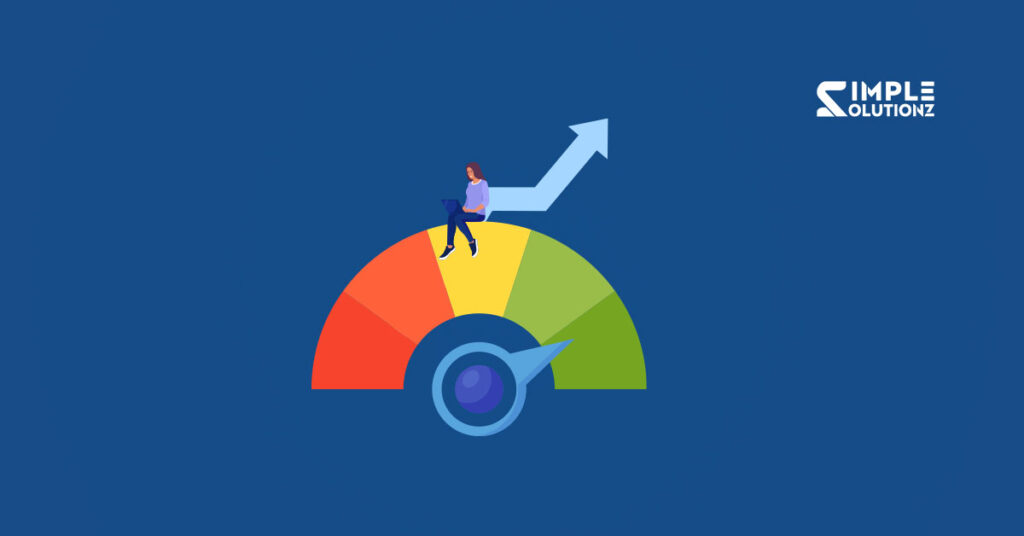
Whether you run an e-commerce store, a business website, or a blog, website speed is important in user experience, search engine rankings, and conversion rates. Google considers page speed as a ranking factor, meaning a slow-loading site can negatively impact your search visibility and overall online success.  Studies show that 53% of visitors abandon a website if it takes more than 3 seconds to load, and even a 1-second delay can reduce conversions by 7%.   But what exactly slows down a website? How does page speed impact Google rankings? And most importantly, how can you optimize your site for faster load times? Let’s talk about it.  Why Website Speed Matters  👉 First Impressions Count  A slow website creates a poor first impression. Studies show that visitors expect a page to load in under 3 seconds. If your site takes longer, users are likely to leave, increasing bounce rates and reducing engagement.  👉 User Experience (UX) and Engagement  Faster websites provide a smoother and more enjoyable experience. Slow-loading pages frustrate users, leading to lower engagement, shorter session durations, and fewer conversions.  👉 SEO and Google’s Ranking Algorithm  Google explicitly states that page speed is a ranking factor, especially for mobile searches. Websites that load faster tend to rank higher in search engine results pages (SERPs), leading to better visibility and more traffic.  👉 Mobile-First Indexing  With Google’s mobile-first indexing approach, the performance of your website on mobile devices is more important than ever. Since mobile users often rely on slower connections, having a fast site is critical to maintaining high rankings.  👉 Conversions and Revenue Impact  Speed directly impacts revenue. Amazon found that a 1-second delay in page load time could cost $1.6 billion in lost sales annually. For e-commerce and business websites, speed optimization is essential for maximizing profits.  How Website Speed Affects Google Rankings  1. Google’s Core Web Vitals  In 2021, Google introduced Core Web Vitals, a performance metrics that directly influence a website’s ranking. These metrics assess how fast and stable a webpage is for users. Core Web Vitals consist of:  Largest Contentful Paint (LCP): Measures how quickly the main content loads (ideal: under 2.5 seconds).  First Input Delay (FID): Measures interactivity and responsiveness (ideal: under 100ms).  Cumulative Layout Shift (CLS): Measures visual stability to prevent elements from shifting unexpectedly (ideal: under 0.1).  Websites that meet these criteria rank higher in search results. If a page has poor Core Web Vitals, Google may deprioritize it in favor of faster, more optimized pages.  2. Bounce Rates and User Engagement  Google considers bounce rate (the percentage of visitors who leave a website after viewing only one page) an indirect ranking factor. A slow-loading website increases bounce rates because users lose patience and leave before the content loads.  Statistics on Page Load Speed and Bounce Rates:  When users leave without interacting, it sends negative signals to Google, indicating that the content is not useful or engaging. As a result, slow websites may experience a decline in rankings.  3. Bounce Rates and Dwell Time  Dwell time refers to how long a visitor stays on your site after clicking a search result. Google considers this a ranking signal—if users spend more time engaging with your content, Google assumes the page is valuable.  When a site loads quickly, visitors are more likely to:  A slow website, on the other hand, discourages users from staying longer, decreasing dwell time and negatively impacting rankings.  4. Crawl Budget and Indexing  Google uses a crawl budget to determine how many pages of a website it will crawl and index within a given timeframe. A slow website consumes more of this budget because it takes longer for Googlebot to load pages.  How a Slow Website Affects Crawl Budget:  5. Mobile-First Indexing and Page Speed  Since mobile-first indexing became Google’s default, page speed on mobile devices has become even more critical. Google evaluates the mobile version of a website before ranking it in search results.  Why Mobile Page Speed Matters:  A site that performs well on desktops but loads slowly on mobile will struggle to rank. Optimizing mobile speed is essential for SEO success.  6. Page Experience Update  Google’s Page Experience Update prioritizes websites that offer a smooth, fast, and engaging user experience. The update includes:  Since page speed is a crucial part of Page Experience, slow websites may struggle to rank well, even if they have high-quality content.  7. Competitive Advantage: Faster Sites Win  SEO is highly competitive, and page speed can be the difference between ranking #1 or #10. Websites with similar content and backlinks often compete for top positions, but the faster site usually wins.  Google’s algorithm rewards fast websites because they:  Factors That Slow Down Your Website  👉 Unoptimized Images  Why It Slows Down Your Site  Large, high-resolution images increase page size, leading to longer loading times. If images are not compressed or properly formatted, they take up excessive bandwidth, slowing down your site.  👉 Too Many HTTP Requests  Why It Slows Down Your Site:  Every time a user loads a webpage, their browser requests files from the server, including images, CSS, JavaScript, and fonts. If there are too many requests, loading time increases.  👉 Lack of Browser Caching  Why It Slows Down Your Site  Without caching, a browser must download all elements (images, scripts, stylesheets) every time a user visits the page, instead of storing them locally.  👉 Poor Server Performance and Slow Hosting  Why It Slows Down Your Site  Your website’s server response time (TTFB – Time to First Byte) depends on your hosting provider. Shared hosting with limited resources can slow down your website significantly.  👉 Excessive Use of JavaScript and CSS  Why It Slows Down Your Site  Too many JavaScript and CSS files increase page load time. External scripts like animations, pop-ups, and tracking codes can block rendering and delay content loading.  👉 No Use of Content Delivery Network (CDN)  Why It Slows Down Your Site  If your website is hosted on a single server, users far from that server

Why Website Speed is the Secret Weapon for Higher Google Rankings  Read More »
Website Redesign

5 Signs When it is the Time to Redesign Your Website

Visually appealing with a better functional website makes your online presence strong. A survey shows that about 80% of users believe well-designed websites are necessary for credible business. Are you losing your business due to wicked website design? Here are five unmistakable signs that show your website needs upgrades. Explore professional website redesign agencies that provide powerful user engagement with strong strategies. What Does the Process of Redesigning a Website Involve? A website redesign involves altering or updating its content, interface, structure, or navigation to enhance its performance or increase visitor conversions. Businesses choose website redesigns for several reasons, including rebranding initiatives or the desire to attract greater traffic and engagement. Identify Your Website’s Current Performance ➡️ Traffic and Engagement Metrics: Understanding Visitor Behavior Begin your assessment by delving into your website’s traffic metrics. Explore the number of visitors, page views, and the duration of their stay using tools like Google Analytics. A detailed examination of user behavior will reveal high-performance pages and potential areas for improvement. ➡️ Conversion Rates and User Journey: Optimizing the Conversion Funnel Evaluate your website’s conversion rates to gauge its effectiveness in turning visitors into customers or achieving other desired actions. Map out the user journey from landing to conversion, identifying potential friction points or drop-off areas. This analysis lays the groundwork for streamlining the conversion funnel and enhancing user experience. ➡️ Design and Aesthetics: Aesthetic Appeal and User Experience Assess the overall design and aesthetics of your website. Consider whether it aligns with design trends and accurately reflects your brand identity. Evaluate user experience by mastering strategies for brand growth, examining navigation intuitiveness, content readability, and the visual appeal of key elements. An outdated design can contribute to high bounce rates and decreased engagement. ➡️ Mobile Responsiveness: Navigating the Mobile-First Landscape Given the incidence of mobile browsing, ensure your website is fully optimized for various devices. Evaluate the mobile responsiveness of each page, checking for seamless navigation and readability. Addressing any issues related to mobile responsiveness is vital to accommodate the diverse ways users access your site. When Do You Need Website Redesign Services? 1. High Bounce Rates and Low Conversion Rates High bounce and low conversion rates are telltale signs that a website may miss the mark when engaging and converting visitors. Beyond being mere metrics, these indicators often signify a deeper issue: potential dissatisfaction with the user experience. Dive into the world of user behavior analysis and understand the factors contributing to these metrics. How can you balance multiple content distribution goals? Uncover the psychology behind user engagement, emphasizing the importance of intuitive design, compelling content, and seamless navigation. Explore case studies where websites with high bounce rates transformed into user-friendly havens, improving conversion rates. This section aims to identify the problem and provide actionable insights into redesign strategies to elevate user engagement and boost conversion rates. 2. Outdated Design Trends The aesthetics of a website play a pivotal role in attracting and retaining visitors. Outdated design trends not only risk aesthetic staleness but also impact functionality. Journey through the ever-evolving world of web design, understanding the cyclical nature of trends and the importance of staying current. 3. Mobile Responsiveness Issues In a time where smartphones and tablets take center stage, mobile responsiveness is no longer a mere feature; it has become an essential requirement. Examine the profound shift towards mobile-first browsing habits and the user’s expectations regarding a seamless cross-device experience. Delve into the consequences of mobile responsiveness issues, from decreased user satisfaction to diminished search engine rankings. Provide a comprehensive guide on optimizing websites for mobile responsiveness, incorporating responsive design principles and mobile-friendly technologies. Leverage statistics and case studies to underscore the importance of mobile optimization. This section aims to empower businesses with the knowledge and strategies to ensure their websites thrive in the mobile-first landscape. 4. Slow Page Loading Speed In the digital age, speed is of the essence. Slow-loading pages can lead to frustrated users and abandoned visits. Explore the multifaceted impact of page loading speed on user experience, from user satisfaction to search engine ranking penalties. Dive into the technical aspects of website speed optimization, covering aspects such as image compression, browser caching, and server response times. Illustrate the before-and-after scenarios of websites that underwent speed optimization, highlighting the tangible improvements in user experience. This section aims to equip businesses with actionable strategies to enhance website speed and overall performance. 5. Declining Search Engine Rankings A drop in search engine rankings can be a red flag for the overall health of a website. Unravel the complexities of Search Engine Optimization, examining the interconnected factors that influence search engine algorithms. Display how a well-executed website redesign can positively impact search engine rankings through improved content structure, keyword optimization, and enhanced user experience. Provide practical tips on conducting an SEO audit and developing a strategic SEO plan within the framework of a website redesign. Use case studies to highlight instances businesses regained and exceeded their previous search engine positions through strategic SEO-focused redesigns. This section aims to demystify SEO for businesses, emphasizing its critical role in maintaining online visibility. The Role of a Website Redesign Agency Transitioning into the professional realm, we will explore the critical role played by website redesign agencies. From conceptualization to execution, these agencies bring expertise and experience. Understand their integrated approach to transforming your digital presence and elevating your brand. Delve into the intricacies of agency-client collaboration, emphasizing the importance of understanding your business goals, target audience, and unique brand identity. Highlight the role of agencies in conducting thorough market research, competitor analysis, and user testing to inform the redesign strategy. Utilize case studies to highlight successful collaborations, illustrating the transformative power of professional expertise. Why Hire a Professional Agency? Delve into many benefits of entrusting your website redesign to a professional agency. Explore the strategic insights, industry knowledge, and execution excellence that professionals bring to the forefront. From the initial consultation to the post-launch phase, examine how professional agencies add value at every stage

5 Signs When it is the Time to Redesign Your Website Read More »

Web Design and Development

5 Elements of Impactful Web Design and Development

Have you ever clicked on a website and instantly got lost in its striking design, smooth flow, and engaging content? Remember, the impact of your website directly reflects the expertise of your website developer’s skills and vision. Along with that it also introduces the vision of your business because a well-designed page can quickly build, communicate and inspire potential customers. So, when looking for the best web development services in Virginia, it is recommended to look for specific features in their business website. Check the user experience, especially the elements like a compelling layout, whitespace, and the unique style guide because they function as attention grabbers and maintain customer attention. Not to forget, a good balance in web design promotes a good experience for your clients. Whether it’s the technique or appeal, website designing is changing. To keep the market booming, additional elements that can boost website impact are continually emerging. Effective, innovative, and engaging web content is in high demand. Though using every newly introduced feature is unnecessary, yet selecting specific elements that align with a particular brand and website’s goals can help boost the overall impact. Let’s narrow down the list and discover the best elements for the best website design and development in Virginia.  Using a strong visual medium creates instant engagement. The visitors are intrigued to scroll down, read and explore further. Often placed in the background with text and other content overlaid on top, hero images set the tone for your website, leaving a significant impact on what your brand is about. Make The Typography Strike Just as a logo represents a brand, similarly typography of a company becomes its recognition symbol. Due to this reason, most businesses prefer a particular font or typography that they could use to help their customers immediately identify them from their competitors. Moreover, your choice in typography explicitly indicates what your business represents. Is it fun or informational? Many agencies for website design and development in Virginia have tuned into using exclusive typography based on the brand’s style and definition. Make The Background Engaging Apart from the textual narration of your brand, animations or automatically played videos in the background on your homepage can prove to be very enticing for the visitors. Not only your brand’s story will be told in the most impactful way, but it will also make the audience stay longer on the page. Because video processing is 60,000 times faster in our brains than text, the intended brand message will be delivered rapidly and linger in their minds. Make Mobile-Responsive Layout The upswing of mobile phones has dramatically impacted the web design and development industry. Driven from multiple sources, potential customers want the same excellent experience regardless of the user device type. Imagine that text, images, and buttons don’t resize to match touchscreen controls and smaller screen sizes while browsing the web. This could drive prospective customers away after they fail to find what they have been looking for. Hence, if your website isn’t mobile-friendly, there is a strong chance of losing up to half of all potential customers. Make That Speed Optimized: Last but not least, it is critical to optimize all elements of your site for speed. Reducing the amount of time between click and content is very crucial to driving conversions successfully. Technically, it would mean optimizing all images to balance image quality and file size. Compress any files hosted on the site to eventually reduce load time because a slow and bloated website would result in a high visitor bounce rate. If you are ready to make a fruitful investment in your brand’s website and are looking for the best available web design and development in Virginia, you have reached the right place. Simple Solutionz offers all digital marketing services to make your brand soar by retaining customers through engaging content and unmatchable web design services. Read more: 9 Useful Strategies for Digital Brand Marketing

5 Elements of Impactful Web Design and Development Read More »

How to build an ecommerce business from scratch?

Investing in the ever-growing field of electronic commerce is a wise financial move. Unfortunately, the situation isn’t all roses and butterflies. Before you take the plunge into expanding your online store, you should know a few things. Introduction The online retail sector is currently the most profitable in the world. Its annual expansion shows no signs of stopping down.It’s common knowledge that acquiring new clients requires far more work than maintaining relationships with existing ones. Building a successful business from the beginning might feel like an impossible challenge, but there are steps you can take to ease the burden. There are four ways of starting an eCommerce business from scratch: 1. Setting up an online store: Online commerce is one of the easiest methods to get your goods seen by relevant people. But how can one begin an online shop from the ground up? If you’re a new company owner or just searching for a business concept with a good chance of success, opening an online shop might be your best choice. The responsibility of creating a web store usually lies on your shoulders. Learn the steps here: Choosing a name for your domain is the first step in setting up an online shop. Your domain name ought to be something that people will remember. If you’re starting an online business, it’s best to steer clear of names that are already in use. If your online shop sells tech products, do not use computer-related keywords in your domain name. The next step is selecting a platform upon which to construct your e-commerce site. You can use one of three distinct tools: a specialized e-commerce platform, a website builder, or a content management system (CMS). What you decide to do is up to you. Savings are also available when you use our eCommerce services. Starting an online shop has never been more feasible. Millions of people use the Internet daily, which is a tremendous tool for launching a business—progress at this time. 2. Make your products available in other markets: Starbucks, Microsoft, and even Facebook are just a few examples of the tiny firms that became huge successes in the public eye. These businesses were once quite small but have now expanded into major international players. Your product can succeed where others have failed, but only if you know how to promote yourself properly. It’s essential to know the best places to market your goods. The number of online retailers that list their wares on marketplaces like Amazon and eBay continues to rise. However, selling on other platforms is also a great strategy to expand your business. This is the way to go if you want to expand your business but don’t want to spend time, money, and effort creating your own e-commerce website. However, to be competitive, you’ll need to be familiar with selling on other platforms or marketplaces. 3. Discover Your Specialization: It’s simpler to promote and sell specialized goods than mass-market goods. Marketing your niche product to a more specific audience will result in higher conversion rates and more revenue for your business than marketing to a broad market. 4. Website Optimization: To begin optimizing your website, make sure it has a clean and simple design that is easy to use. This will facilitate a more rapid discovery process for patrons. The website’s design should also be consistent with the brand’s overall aesthetic. A mobile-friendly layout is another excellent method to boost your website’s performance. More clients can use their smartphones and tablets, which have surpassed desktop computers in popularity, if your site is optimized for them. Also, make sure it loads quickly by decreasing the file size of pictures, optimizing your code for performance, and adhering to best practices. What is Ecommerce business? The term “e-commerce” refers to the process of buying and selling goods and services online. From clothing to vacation packages, many sorts of goods and services are purchased online. In addition to Magento and Shopify, they support several other website platforms. E-commerce refers to any business conducted between buyers and sellers through the Internet. Marketplaces and subscription services are only two examples of the numerous different models that make up e-commerce. Amazon, Etsy, and eBay are among the most well-known examples of successful online marketplaces.There are a lot of ways online businesses can make money. Either by selling your goods online or offering different services according to your skills. Starting an Ecommerce Business: Your First Marketing Steps Most first-time company owners assume that creating a product is the first step in getting their venture off the ground. They may think the next step is to offer the product for sale and see whether anyone buys it. You’ll need to take these measures, but they shouldn’t be your primary priorities. The first thing you should do is make a plan. A well-thought-out strategy may help you expand your business and achieve your objectives. Next, you’ll want to build a website and select a payment processor and delivery app. After opening your shop, you’ll want to get the word out. Social media marketing entails spreading the word about your brand to your followers and connecting with influential people like bloggers. After establishing a regular customer base, you’ll want to ensure they’re the ideal people to attract to your shop. In Conclusion! We have discussed some of the most effective techniques to build an ecommerce business from scratch. Whether you’re just starting with a new site or giving an old one a facelift, choosing a platform is the first step. There are many web design firms from which to choose, but if you need a solution tailored to your e-commerce company, don’t hesitate to get in touch with Simple Solutionz. We’ll listen to your needs and help you find a workable solution.

How to build an ecommerce business from scratch? Read More »