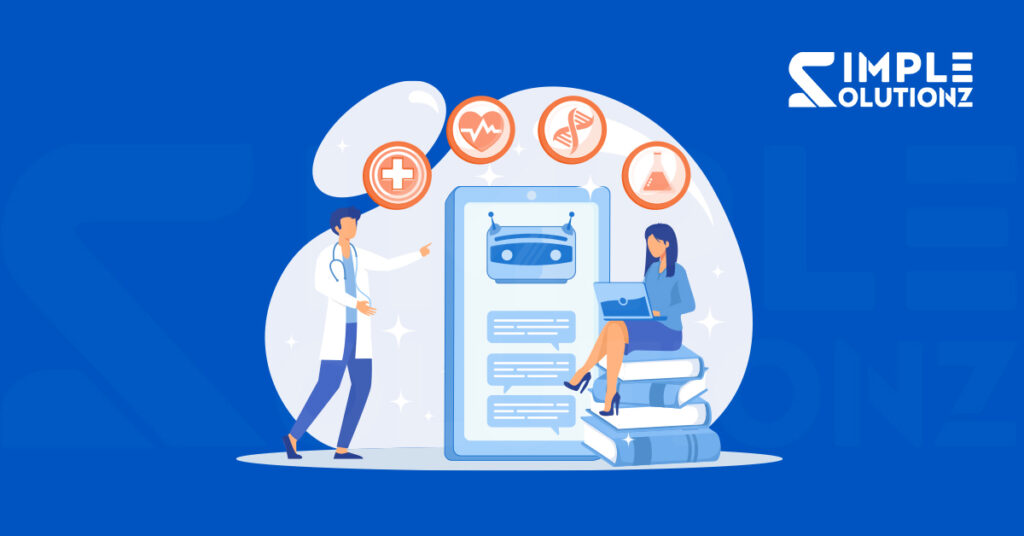
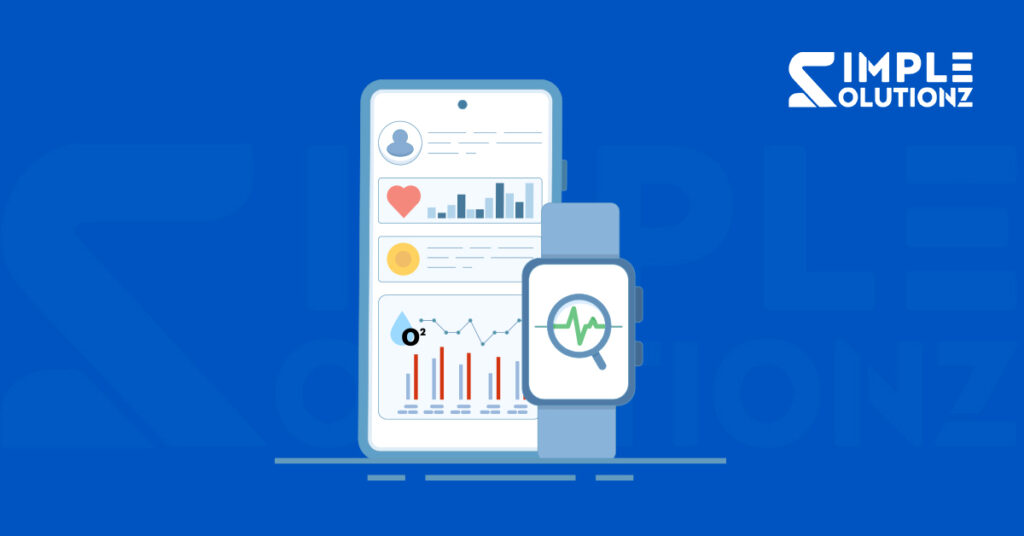
Mobile Healthcare Predictive Analytics: Anticipate Needs
Summary: Predictive analytics in mobile healthcare uses machine learning models running on smartphones and wearables to analyze continuous biometric streams, EHR records, and behavioral data. This approach allows healthcare providers to forecast acute medical events, such as hypoglycemic crashes or heart failure decompensation, hours before symptoms appear. By shifting clinical care from reactive treatment to proactive intervention, health systems reduce 30-day hospital readmissions by up to 40% and cut emergency department visits by nearly a third. What Is Predictive Analytics in Mobile Healthcare? Predictive analytics in mobile healthcare is the use of real-time machine learning algorithms on mobile devices and connected wearables to forecast future patient health events. Instead of simply recording historical vitals like past blood pressure or heart rate, these systems evaluate continuous data streams to identify early warning signs of clinical deterioration. Traditional remote patient monitoring only shows what has already occurred. In contrast, predictive mobile systems calculate a patient’s risk trajectory in real time. This setup enables automated micro-interventions, such as notifying a patient to take medication, adjusting care plans, or alerting a remote care team before a medical crisis requires hospitalization. Why Are Healthcare Providers Adopting Predictive Mobile Tools? Healthcare systems are adopting predictive mobile technology primarily to prevent costly hospital readmissions and succeed under Value-Based Care contracts. When reimbursement is tied to patient outcomes rather than the volume of office visits, avoiding complications is the most effective way to protect operating margins. Federal programs like the Hospital Readmissions Reduction Program (HRRP) penalize hospitals when patients return within 30 days of discharge. A mobile app that alerts a cardiology team when a heart failure patient retains fluid can prompt a quick medication adjustment at home, avoiding a $15,000 readmission. These systems also help solve staffing shortages. Instead of manually reviewing hundreds of stable patient charts, clinicians receive prioritized queues containing only patients whose predictive risk scores show imminent health decline. What Data Sources Power Predictive Health Apps? Predictive health apps rely on three distinct data layers: continuous wearable biometrics, longitudinal medical records, and ambient device behavior. Combining these three sources produces an accurate picture of patient risk while minimizing false alarms. How Do Predictive Models Run Locally Without Draining Phone Batteries? Predictive models process data locally using Edge AI and lightweight machine learning runtimes such as TensorFlow Lite and Apple CoreML. Running calculations on the phone’s dedicated neural processing hardware removes the need to constantly upload raw data to cloud servers. Streaming continuous sensor data over 5G networks quickly drains smartphone batteries and introduces connection delays that undermine real-time alerts. By quantizing models down to 8-bit integers, developers can deploy predictive neural networks directly to the phone. These local models analyze data in real time, consuming minimal battery. They only connect to external servers when an alert needs to be sent to a doctor or when updated model parameters are downloaded. When Should a Mobile Health App Alert Doctors Versus the Patient? A predictive health app should alert the patient for minor lifestyle adjustments and reserve clinical notifications for confirmed, high-probability medical risks. Dividing notifications into clear tiers is the most reliable way to prevent alert fatigue for both users and hospital staff. How Do Mobile Health Applications Comply with HIPAA and FDA Regulations? Mobile health applications comply with federal rules by using zero-trust encryption for all data storage and determining early on whether their algorithms qualify as Software as a Medical Device (SaMD). Under HIPAA, any protected health information stored on a smartphone must be isolated within encrypted app storage, accessible only through biometric authentication-like Face ID or fingerprint scans. For regulatory approval, the FDA evaluates intended use: How Does Predictive Healthcare Technology Drive Practice Growth? Predictive healthcare tools drive practice growth by increasing patient retention, establishing recurring remote care revenue, and building sustainable brand loyalty. PATIENT ACQUISITION ──► PREDICTIVE RETENTION ──► RECURRING REVENUE Attract digital-first Deliver proactive care Bill CMS RPM codes patients seeking that prevents health (CPT 99453, 99454, modern care options. crises and builds trust. 99457, and 99458). Patients often leave practices due to impersonal, purely transactional interactions. When an organization provides an app that actively helps patients manage their health between office visits, satisfaction increases, and annual retention frequently climbs past 85%. Predictive platforms also unlock steady revenue under CMS Remote Patient Monitoring billing codes: Building and marketing these advanced mHealth platforms requires a mix of regulatory awareness, clinical credibility, and digital execution. Healthcare organizations and HealthTech startups often partner with digital growth specialists like Simple Solutionz to design clear patient onboarding journeys, optimize medical marketing, and turn complex health platforms into measurable organizational growth. Frequently Asked Questions What is the difference between descriptive and predictive analytics in mobile health? Descriptive analytics shows what has already occurred, such as listing a patient’s average heart rate over the past week. Predictive analytics uses current biometrics, health records, and statistical models to forecast what will happen next, such as estimating an 80% risk of an asthma flare-up within the next 24 hours so the patient can take preventive action. Can predictive mobile health applications work without an internet connection? Yes. Modern health apps use on-device Edge AI models built with frameworks like TensorFlow Lite or CoreML. These compact models process biometrics directly on the phone’s hardware, allowing the app to evaluate vital signs and trigger urgent safety alerts even when the device is completely offline. What are the main reimbursement codes for predictive remote patient care? Medicare and most private insurance providers reimburse remote monitoring under specific CPT codes. The most common are CPT 99453 for initial patient onboarding, CPT 99454 for ongoing monthly sensor data transmission, and CPT 99457 alongside CPT 99458 for clinical staff time spent analyzing data and managing patient care remotely. How do developers prevent demographic bias in predictive health algorithms? Developers prevent bias by training algorithms on diverse datasets that represent different age groups, biological sexes, ethnicities, and comorbidity profiles. Teams must routinely audit models for performance drift across varied demographics and calibrate them against
Mobile Healthcare Predictive Analytics: Anticipate Needs Read More »